

1- BLOOD SUGAR
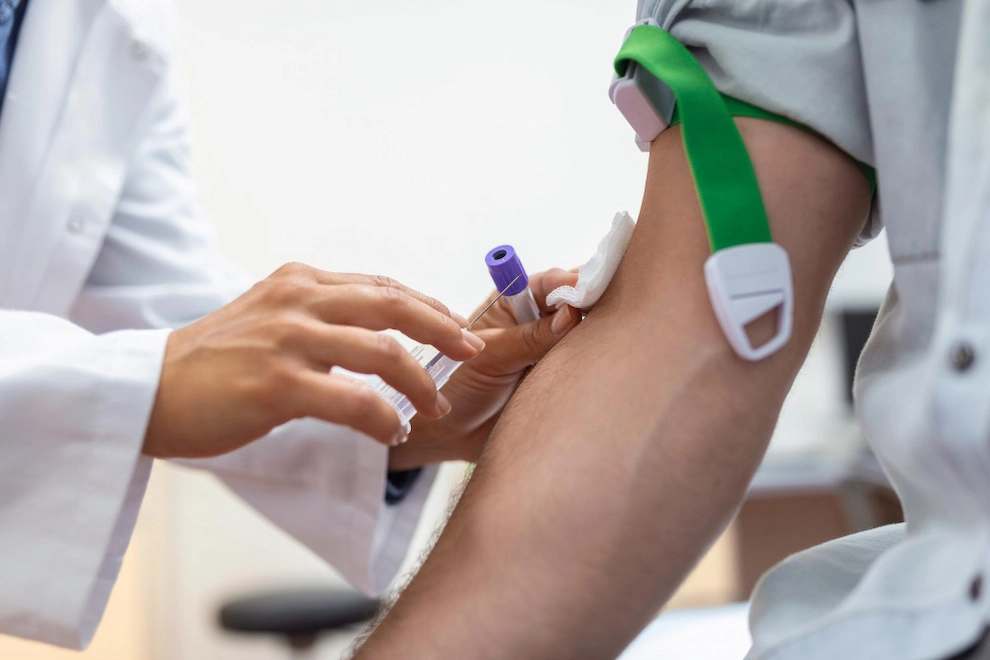
The blood sugar test is used to measure glucose, also known as blood sugar, in a sample taken from your blood. This test can reveal signs of diabetes. It is also used to monitor blood sugar levels in individuals who already have diabetes.
If the values are abnormal
If your fasting blood sugar is between 100-125 mg/dL (5.6-6.9 mmol/L), it indicates impaired fasting glucose, a type of prediabetes.
If fasting blood sugar is 126 mg/dL or higher, it indicates diabetes.
2- HbA1c
Since daily blood sugar levels can fluctuate, the HbA1c test provides a retrospective evaluation.
This test gives information about blood sugar levels over the past 3 months. If the HbA1c level is above 6, it may indicate impaired fasting glucose and a high risk of diabetes.
3- THYROID
The thyroid gland is one of the key organs regulating our metabolism. By checking your TSH, T4, and T3 levels, the function and efficiency of the thyroid gland are assessed.
4- TSH TEST
The TSH test examines how the thyroid functions. The pituitary gland produces TSH, which is measured. It is one of the quick tests used to detect hyperthyroidism or hypothyroidism.
If TSH is below the normal range, it indicates hyperthyroidism.
If TSH is above the normal range, it indicates hypothyroidism. If TSH is abnormal, one or more additional tests may be required to determine the underlying cause.
5- T3 and T4 TESTS
The thyroid primarily produces T4 and a smaller amount of T3. These hormones can be bound to proteins in the blood or remain free. High total T4 and free T4 indicate hyperthyroidism, while low total T4 and free T4 indicate hypothyroidism.
During pregnancy or when taking birth control pills, the level of binding proteins in the blood increases, which can elevate T4 levels in women. Similarly, medications used to treat conditions such as asthma or arthritis can reduce binding protein levels, meaning low T4 may not always indicate hypothyroidism.
6- UREA, CREATININE
These tests are generally performed before starting a diet to evaluate kidney function. They indicate how well the kidneys are working.
7- ALT-AST-GGT
These tests are used to monitor liver function.
8- BLOOD LIPIDS
Our body requires a certain amount of cholesterol and fats. However, excess blood lipids increase the risk of serious heart disease. Unused energy is stored in the body, leading to circulation problems.
HDL Cholesterol: Known as “good cholesterol.” Low levels should be addressed as it protects the heart.
LDL Cholesterol: Transports cholesterol to different tissues and organs. Excess LDL remains in the blood and is considered “bad cholesterol.”
9- FERRITIN
Ferritin is not the same as the iron in our body. It is a protein that provides information about iron levels in the body. It stores iron and releases it as needed. Plasma ferritin levels indirectly reflect the body’s iron content. Reference ranges and units may vary across laboratories. Low ferritin levels can quickly deplete stored iron and, if not addressed, may lead to iron deficiency.
10- TOTAL CORTISOL
High total cortisol levels can also be a factor contributing to weight gain.
11- VITAMIN B12 AND VITAMIN D
Vitamin deficiencies are significant factors affecting weight. Vitamin D is a fat-soluble vitamin with essential functions in the body. It helps absorb calcium and phosphorus from the intestines, maintains calcium-phosphorus balance, and supports bone and muscle health. While inactive vitamin D can be obtained from food, it is primarily produced in the skin through sunlight exposure.
Vitamin B12 is not produced by the body and must be obtained externally, mainly from animal protein sources. Its deficiency can lead to forgetfulness, fatigue, insomnia, exhaustion, and concentration problems, affecting normal daily life.